
What is PTSD? Understanding the Hidden Struggle
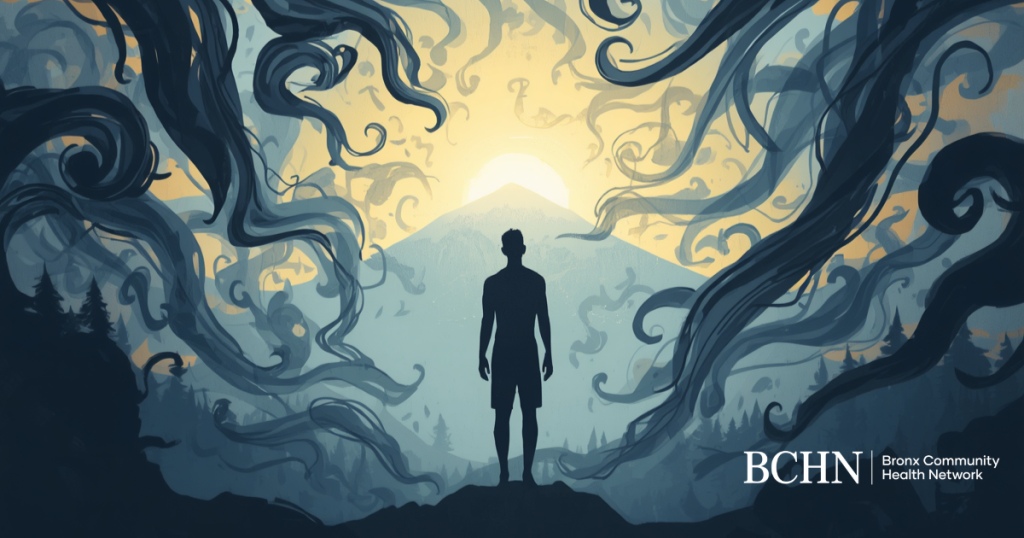
June is Post Traumatic Stress Disorder (PTSD) Awareness Month, a time dedicated to increasing understanding of post-traumatic stress disorder and supporting those affected by trauma.
PTSD can develop after experiencing or witnessing a traumatic event. Individuals living with PTSD may experience symptoms such as flashbacks, nightmares, anxiety, emotional distress, difficulty sleeping, or feelings of isolation.
The disorder can affect people of all backgrounds, including veterans, survivors of violence, first responders, healthcare workers, and individuals who have experienced accidents or other traumatic events.
Mental health support and early intervention can make a significant difference. Therapy, counseling, peer support groups, and medical treatment options can help individuals manage symptoms and improve quality of life.
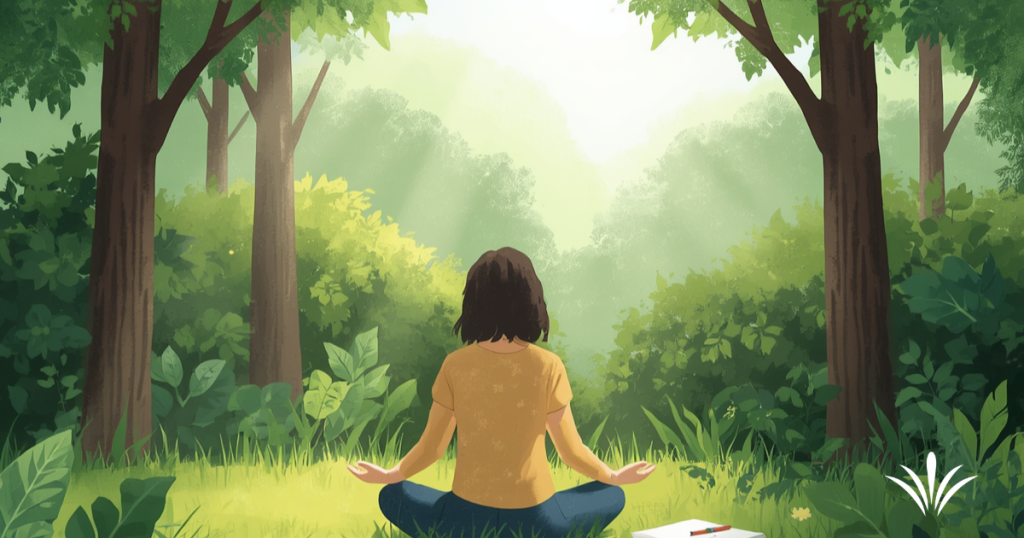
How to Support Someone With PTSD
Reducing mental health stigma is also important. Encouraging open conversations about trauma and emotional wellness can help individuals feel more comfortable seeking support.
Supporting someone living with PTSD requires patience, compassion, and understanding.
PTSD affects individuals differently, and symptoms may vary over time. Listening without judgment is one of the most important ways to provide support. Encouraging open communication while respecting personal boundaries can help individuals feel safe and understood.
Caregivers and loved ones should also prioritize their own well-being. Supporting someone with PTSD can be emotionally demanding, and self-care is essential.
Creating supportive environments at home, work, and within communities can help reduce stigma and encourage healing.
Here at BCHN, we recognize the importance of empathy, education, and mental health support for individuals and families affected by trauma.
For more tips, follow us at: https://www.instagram.com/bchnhealth/