
National Minority Mental Health Month
Why Culturally Competent Care Matters
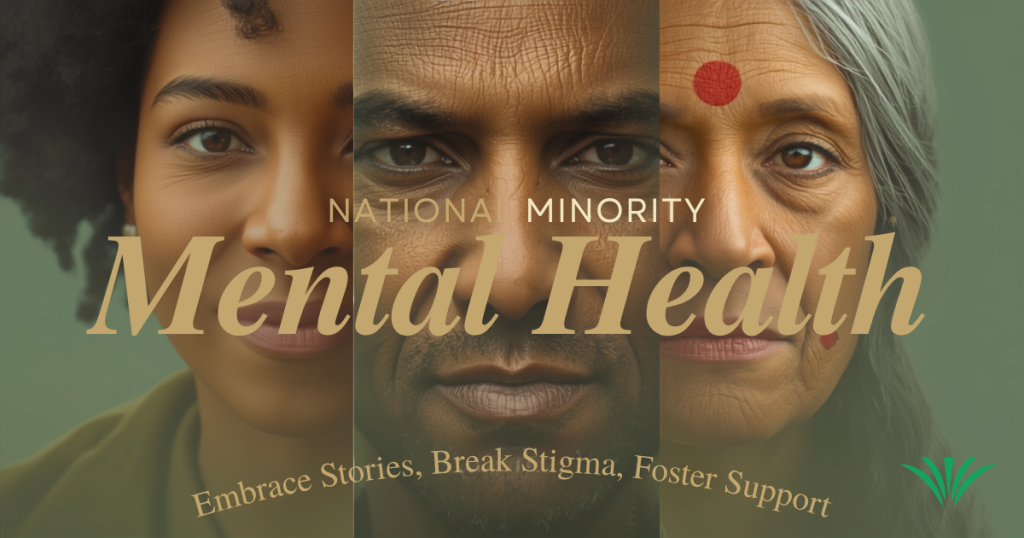
Every July, communities across the country observe National Minority Mental Health Month, a time dedicated to raising awareness about the unique mental health challenges facing Black, Indigenous, Latino, Asian American, and other communities of color. Established in 2008, this observance shines a light on the persistent mental health disparities that continue to affect millions of Americans, and calls on all of us to push for more accessible, high-quality care.
Understanding Minority Mental Health Disparities
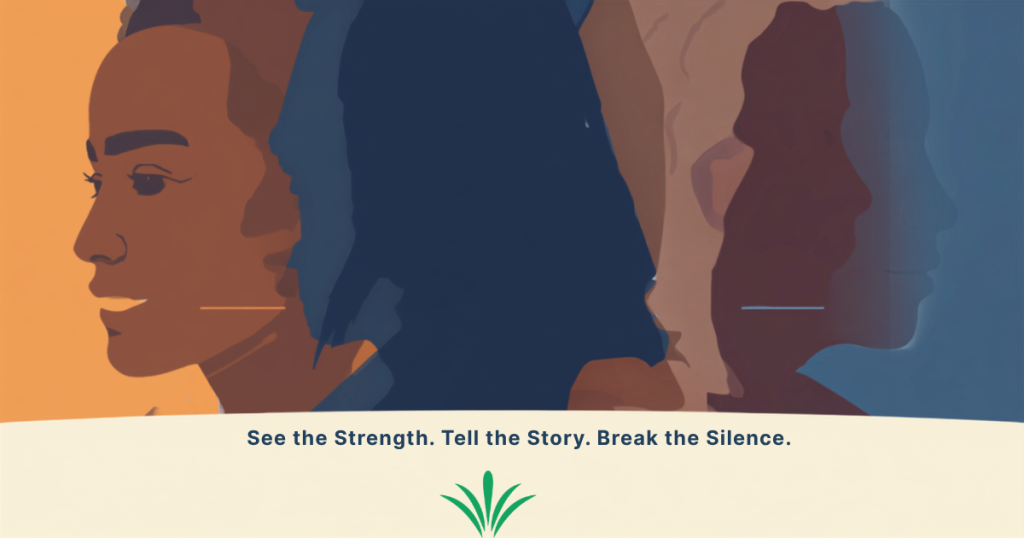
Mental health does not affect every community equally. Research consistently shows that racial and ethnic minorities in the United States are less likely to have access to mental health services, less likely to seek treatment, and more likely to receive poor-quality care when they do.
These mental health disparities stem from a combination of factors, including:
- Systematic barriers such as a lack of insurance, transportation, and affordable providers
- Historical trauma rooted in discrimination, displacement, and generations of unfair treatment
- Stigma within commits that discourages open conversations about mental health
- Language and cultural barriers that make it harder to find providers who understand a patient’s background
- Underrepresentation of minority clinicians in the mental health workforce
Understanding these root causes is the first step toward closing the gap and building a system that truly serves everyone.
The Importance of Culturally Competent Care
One of the most effective ways to improve minority mental health outcomes is expanding access to culturally competent care, treatment that takes a patient’s cultural background, values, and lived experience into account. When providers understand the specific stressors a community faces, from racism to immigration status to intergenerational trauma, they can offer more relevant, effective support.
Culturally competent care isn’t just about matching patients with providers of the same background, though representation matters. It’s also about training all clinicians to recognize bias, ask better questions, and create safe spaces where patients feel truly heard. Organizations that invest in this kind of training are better equipped to serve diverse populations and reduce dropout rates in treatment.
Breaking the Stigma Around Minority Mental Health
Stigma remains one of the biggest obstacles to seeking help. In many communities of color, mental health struggles are still seen as a personal weakness rather than a medical condition deserving of treatment. Phrases like “just pray about it” or “keep it in the family” can unintentionally discourage people from reaching out for professional support.
Normalizing these conversations starts with visibility. Sharing stories, celebrating community leaders who speak openly about therapy, and educating families on the signs of anxiety, depression, and trauma all help chip away at outdated stigma. The more we talk about minority mental health awareness, the more permission people feel to prioritize their own well-being.
How You Can Take Action This Month
You don’t have to be a mental health professional to make a difference during National Minority Mental Health Month. Consider these simple steps:
- Check in on friends and family members, especially those who may be struggling silently.
- Share resources for culturally competent therapists and community mental health programs.
- Support organizations working to expand access to care in underserved communities.
- Educate yourself on the specific challenges different minority groups face.
- Advocate for policy changes that improve access to affordable mental health care for all.
Moving Toward Better Mental Health Care for All
National Minority Mental Health Month is more than an awareness campaign, it’s a call to action. By understanding mental health disparities, supporting culturally competent care, and breaking the stigma that keeps people silent, we can move closer to a system where quality mental health support is available to everyone, regardless of race, ethnicity, or background.
Seeking help is a sign of strength, not weakness. This July, let’s commit to making that message heard in every community.
If you or someone you know is struggling with their mental health, reaching out to a licensed therapist or counselor is a meaningful first step. Culturally responsive care directories and community health centers are great places to start.
Learn more health and wellness tips by following us on: https://www.instagram.com/bchnhealth/